

Classic Recommendation
The Ultimate Guide to Fertilizing Your Lawn
A lush, vibrant, and healthy lawn isn’t just a matter of genetics; it’s the result of proper care, with fertilization being one of the most crucial steps. Just like any living organism, your lawn needs a steady supply of nutrients to grow strong, fight off weeds and diseases, and maintain that beautiful green color. Understanding what, when, and how to fertilize your lawn is the key to achieving professional-level results.
Understanding Lawn Nutrients: The N-P-K Ratio
Before you even touch a bag of fertilizer, it’s essential to understand what your lawn needs. All lawn fertilizers have three primary nutrients, represented by the N-P-K ratio on the bag. This three-number code tells you the percentage by weight of each nutrient:
N (Nitrogen): The most important nutrient for a lawn. Nitrogen promotes lush, green growth and is responsible for the vibrant color of your grass.
P (Phosphorus): Crucial for strong root development and overall plant health. It helps with energy transfer and is especially important for new grass or during the early stages of growth.
K (Potassium): Also known as potash, potassium helps the lawn’s overall health and resilience. It strengthens the grass’s resistance to drought, extreme temperatures, and diseases.
A common all-purpose fertilizer might have an N-P-K ratio of 16-4-8, meaning it’s 16% nitrogen, 4% phosphorus, and 8% potassium. Choosing the right ratio depends on your soil and the time of year. For example, a “starter fertilizer” for new lawns might have a higher phosphorus content to support root growth.
Soil Testing: The Most Important Step
Guessing what your soil needs is a recipe for disaster. Applying too much of one nutrient or not enough of another can harm your lawn. The single best thing you can do for your lawn is a soil test. You can get a simple DIY kit from a garden center, or for more detailed results, send a sample to a local agricultural extension office.
A soil test will tell you:
The pH of your soil (how acidic or alkaline it is).
The exact levels of nitrogen, phosphorus, potassium, and other micronutrients.
Recommendations on how much of each nutrient you should apply.
This information is invaluable and will save you money by preventing you from buying the wrong fertilizer and help you avoid damaging your lawn.
Timing Is Everything: When to Fertilize Your Lawn
The “when” of fertilization is just as important as the “what.” The best time to fertilize depends on your grass type.
Cool-Season Grasses
Cool-season grasses, like Kentucky bluegrass, fescue, and perennial ryegrass, are most active in the spring and fall.
Early Spring (March-April): This first application helps your lawn wake up from winter and supports new growth. Use a fertilizer high in nitrogen.
Late Spring (May-June): A second application helps your lawn withstand the stresses of summer heat and foot traffic.
Early Fall (September-October): This is arguably the most important feeding. It helps the grass recover from summer and build up a strong root system for the winter.
Warm-Season Grasses
Warm-season grasses, such as Bermuda grass, Zoysia, and St. Augustine, thrive in the heat and go dormant in the winter.
Late Spring (April-May): As your lawn greens up, this first feeding promotes vigorous growth.
Summer (June-August): A mid-summer application supports the lawn during its peak growing period.
Early Fall (September): This final application helps the lawn prepare for dormancy and provides nutrients for next spring’s growth.
Choosing the Right Fertilizer
Beyond the N-P-K ratio, fertilizers come in different forms:
Granular Fertilizers: The most common type. They are dry granules that you apply with a broadcast or drop spreader. They release nutrients slowly over time.
Liquid Fertilizers: These are mixed with water and sprayed onto the lawn. They provide a quick boost of nutrients but may not last as long as granular fertilizers.
Organic vs. Synthetic:
Synthetic Fertilizers are chemically manufactured and provide a rapid, predictable nutrient release.
Organic Fertilizers are made from natural sources like compost, manure, or bone meal. They improve soil health over the long term and are less likely to cause fertilizer burn.
How to Apply Fertilizer Correctly
Proper application is key to an even, healthy lawn.
Read the Instructions: Every bag of fertilizer has specific instructions for application rates. Follow them precisely.
Prepare the Spreader: Calibrate your spreader according to the manufacturer’s directions for the product you are using.
Choose a Method: A broadcast spreader is great for large lawns as it covers a wide area. A drop spreader is more precise and ideal for smaller, more confined areas.
Application Technique: To avoid stripes and uneven coverage, apply fertilizer in a methodical pattern. Start at the perimeter and then work your way across the lawn in parallel rows, slightly overlapping each pass.
Water it In: Immediately after applying granular fertilizer, water your lawn thoroughly. This helps the granules dissolve and prevents “fertilizer burn,” which is caused by concentrated salts on the grass blades.
Common Mistakes to Avoid
Over-fertilizing: This is one of the most common and damaging mistakes. Too much fertilizer can burn your grass, pollute groundwater, and lead to weak, disease-prone growth.
Applying on a Hot Day: High temperatures can increase the risk of fertilizer burn, especially with synthetic fertilizers.
Fertilizing a Dormant Lawn: Applying fertilizer to a brown, dormant lawn is a waste of money and can damage the grass.
Ignoring a Soil Test: Without a soil test, you are just guessing and may not be providing your lawn with what it truly needs.
By following this guide, you’ll be well on your way to a lawn that is the envy of the neighborhood. A little knowledge and effort can go a long way in creating a beautiful, healthy, and resilient lawn.


Sale!


Original price was: $39.49.$11.85Current price is: $11.85.
Sale!
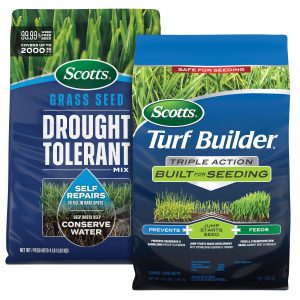

Original price was: $50.49.$15.15Current price is: $15.15.
Sale!
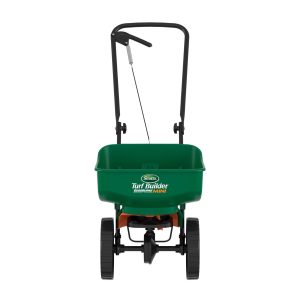

Original price was: $55.99.$16.80Current price is: $16.80.
Sale!
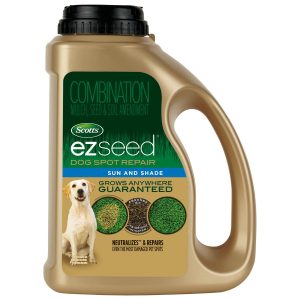

Original price was: $19.49.$5.85Current price is: $5.85.


Easy Ways To Maintain A
Healthy Lawn In The
Summer
Learn why mowing high is good
for your lawn, and get other
smart tips to help your lawn
thrive in the summer.

How to Reduce Lawn Stress in the Summer
With these simple strategies, you can have a healthy lawn that can survive bugs, weeds, heat and more.

Summertime Lawn Care
With Turf Builder®
SummerGuard@ Lawn Food
How to get your lawn ready to
take on the hot summer months.

The Best Spreader For Your
Lawn: Which Is Right For
You?
Discover which spreader type is
the best for your yard.


